
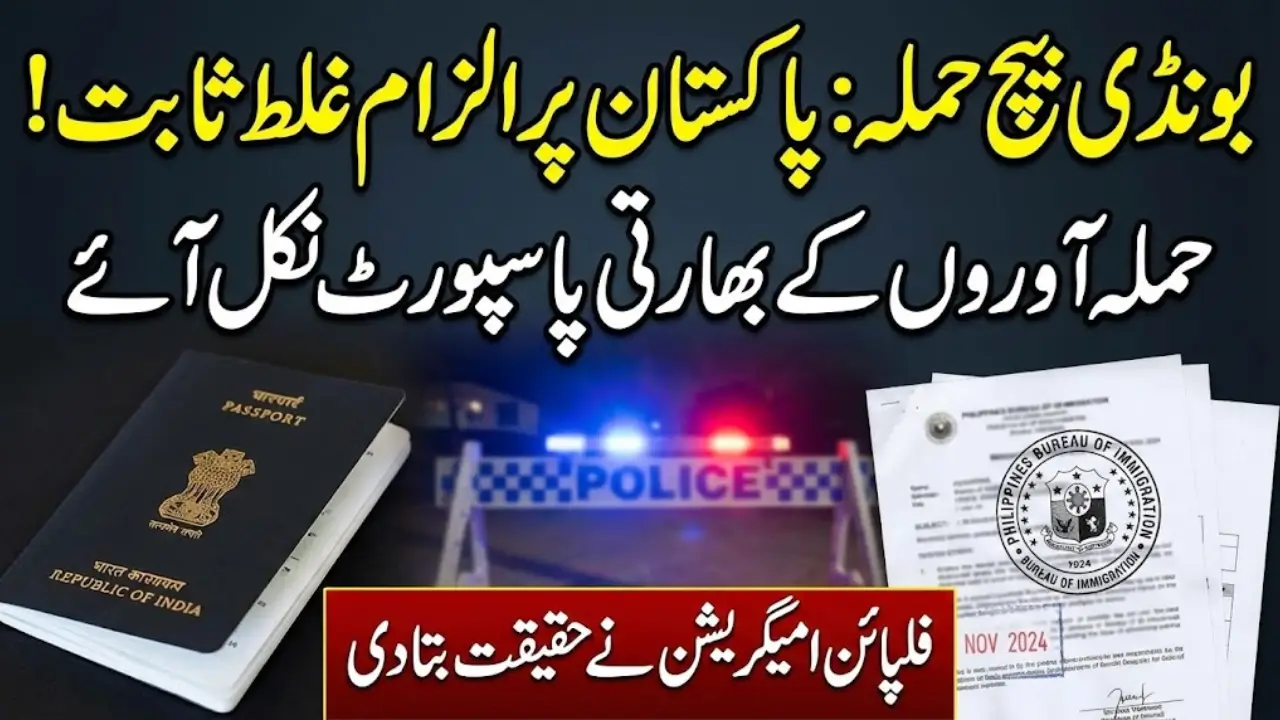
The Bondi Beach shooting shocked Australia and quickly escalated into an international security concern. What started as a local tragedy soon exposed cross-border movements, intelligence gaps, and media-driven misinformation. As authorities dug deeper, new facts emerged that reshaped the entire narrative.
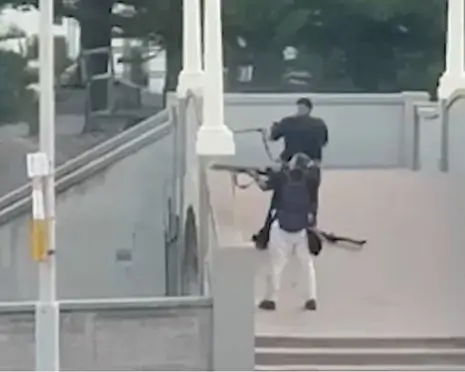
Recent confirmation by Philippine immigration authorities has added credibility and clarity to the investigation. This development has shifted the focus from speculation to verified documentation, helping authorities and the public better understand what truly happened.

Overview of the Bondi Beach Incident
The incident at Bondi Beach triggered fear and confusion across Australia. Initial reports lacked verified details, which allowed rumors and politically motivated narratives to spread rapidly. Several international outlets jumped to conclusions without waiting for official confirmation.
As investigations progressed, Australian police confirmed that the attackers had traveled abroad shortly before the incident. This discovery became a major breakthrough, prompting cooperation with foreign governments and intelligence agencies.

Confirmation from Manila Immigration Authorities
Philippine immigration officials officially confirmed that Sajid Akram and Naveed Akram entered the country in November using Indian passports. According to official records, both individuals arrived from Sydney on November 1 and departed on November 28.
This confirmation eliminated doubts about forged documents or illegal entry. The Philippine government emphasized that the suspects followed standard immigration procedures, and their movements were logged in the national system.

فلپائن امیگریشن حکام کی تصدیق نے اس کیس میں فیصلہ کن کردار ادا کیا ہے۔حکام کے مطابق دونوں افراد قانونی طور پر فلپائن میں داخل ہوئے تھے۔ان کے سفری ریکارڈ میں کسی قسم کی بے ضابطگی سامنے نہیں آئی۔ یہ پیش رفت افواہوں کے مقابلے میں حقائق کو مضبوط کرتی ہے۔
Who Were Sajid Akram and Naveed Akram
Sajid Akram was a 50-year-old man, while Naveed Akram, his 24-year-old son, was identified as the second attacker. Their family relationship added complexity to the investigation and raised questions about shared motivations and planning.
Authorities later confirmed that Naveed Akram was an Australian citizen, while his father held Indian nationality. This clarification directly contradicted early claims made by several international media outlets.
Timeline of Their Visit to the Philippines
Understanding the timeline of events is essential to understanding the broader investigation. The nearly four-week stay in the Philippines raised immediate concerns among intelligence agencies.
Confirmed Travel Timeline
| Travel Detail | Information |
|---|---|
| Arrival Date | November 1 |
| Departure Date | November 28 |
| Length of Stay | 27 Days |
| Entry Documents | Indian Passports |
This extended stay prompted deeper scrutiny into their activities during the visit.
Australian Police Investigation Expands
Following the confirmation from Manila, Australian police expanded the scope of their investigation. Intelligence units began tracing the suspects’ contacts, movements, and possible training during their overseas stay.
Authorities have clarified that the investigation is evidence-driven and ongoing. No conclusions will be drawn until all verified information is thoroughly analyzed.
Claims of Military-Style Training in the Philippines
Australian police sources revealed that the suspects may have received military-style training during their stay in the Philippines. While details remain under investigation, the claim significantly heightened the seriousness of the case.
These reports prompted immediate coordination with Philippine defense authorities to determine whether any extremist or militant networks were involved.
آسٹریلوی ذرائع کے مطابق ملزمان کے قیام کے دوران مشکوک تربیتی سرگرمیوں کی اطلاعات موصول ہوئیں۔یہ تربیت مبینہ طور پر عسکری نوعیت کی ہو سکتی ہے۔تاہم اس حوالے سے تحقیقات ابھی جاری ہیں۔ فلپائن اور آسٹریلیا کے ادارے مشترکہ طور پر حقائق کا جائزہ لے رہے ہیں۔
Security Concerns in Southern Philippines
The Philippines has faced militancy-related challenges for years, particularly in its southern regions. The 2017 Marawi siege highlighted the risks posed by extremist groups and reshaped national security policies.
Because of this history, any claim involving foreign individuals and possible training is treated with extreme caution and urgency by Philippine authorities.
International Intelligence Cooperation
The case has triggered cooperation among multiple countries. Australian intelligence agencies formally contacted Indian authorities to gather background information about the suspects, including passport issuance and prior travel history.
This level of cooperation reflects the global nature of modern security threats and the importance of verified information sharing.
Misinformation and False Narratives
In the early stages, some Indian and Israeli media outlets falsely linked the attackers to Pakistan. These claims spread rapidly on social media but lacked any factual basis.
Such misinformation complicated the investigation and damaged public trust. Official confirmations later exposed these narratives as inaccurate.
ابتدائی مراحل میں غیر مصدقہ خبریں بڑے پیمانے پر پھیلائی گئیں۔پاکستان سے تعلق جوڑنے کے دعوے بغیر ثبوت کے کیے گئے۔بعد میں یہ تمام الزامات غلط ثابت ہوئے۔ سرکاری بیانات نے ان جھوٹے دعوؤں کو مکمل طور پر رد کر دیا۔
False Identification of Sheikh Naveed
Another major error involved the false identification of an individual named Sheikh Naveed. Some media outlets wrongly claimed he was involved in the attack.
You can also read: Remembering the APS Peshawar Attack 11 Years Later
In response, Sheikh Naveed released a video statement clearly denying any connection to the incident. This mistake further highlighted the dangers of irresponsible journalism.
Conclusion
The confirmation by Manila immigration authorities has brought much-needed clarity to the Bondi Beach case. Verified travel records, citizenship details, and official statements have dismantled misinformation and redirected attention toward facts.
This case serves as a reminder that in sensitive global incidents, truth must always take precedence over speculation.
FAQs
1. Did the attackers visit the Philippines before the incident?
Yes, they stayed from November 1 to November 28.
2. What passports did they use?
They entered using valid Indian passports.
3. Was Naveed Akram an Australian citizen?
Yes, this was officially confirmed.
4. Were Pakistan-related claims accurate?
No, those claims were false and unsupported.


5. Is the investigation complete?
No, authorities are still investigating.
Official Source: Bondi Beach Shooters