
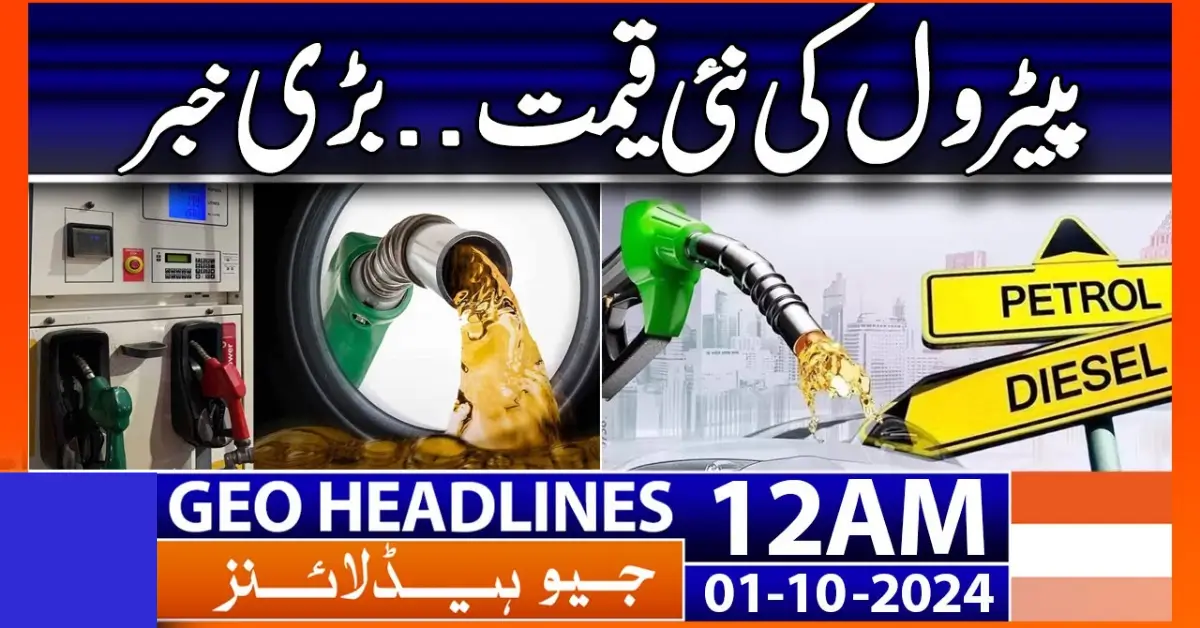
Increase Petrol Prices on October 1
Increase Petrol Prices on October 1 federal government is preparing to raise fuel prices once again, starting from October 1, 2025. According to industry reports, both ex-refinery and ex-depot rates for major petroleum products are set for an upward revision. This adjustment comes at a time when global crude oil prices are climbing steadily, increasing the pressure on Pakistan’s fuel import bill.
Petrol, high-speed diesel (HSD), kerosene oil, and light diesel oil (LDO) will all see price changes. While petrol’s increase is relatively modest, kerosene oil is expected to rise more sharply, which will directly impact low-income households who rely on it for daily cooking and heating needs. These changes may look small on paper, but they will ripple through transport costs, food prices, and overall household spending.

If approved by the government, the revised rates will be enforced from October 1, affecting consumers across the country. The hike will add to the financial strain on families already struggling with inflation, electricity tariff hikes, and rising food prices.
You Can Also Read: 8171 Tracking Portal Restored October 2025

New Prices at a Glance
To give a clear overview of the expected changes, here’s a comparison of the old and proposed prices for major fuels. The table combines both ex-refinery and ex-depot levels to show how costs move from production to consumers.
| Fuel Type | Ex-Refinery Old | Ex-Refinery New | Ex-Depot Old | Ex-Depot New | Change at Pump |
|---|---|---|---|---|---|
| Petrol | Rs.160.93 | Rs.162.90 | Rs.264.61 | Rs.266.58 | +Rs.1.97 |
| High-Speed Diesel (HSD) | Rs.172.65 | Rs.175.13 | Rs.272.77 | Rs.275.25 | +Rs.2.48 |
| Kerosene Oil | Rs.151.62 | Rs.156.27 | Rs.179.96 | Rs.184.61 | +Rs.4.65 |
| Light Diesel Oil (LDO) | Rs.141.63 | Rs.143.39 | Rs.163.42 | Rs.165.18 | +Rs.1.76 |
This table shows that while petrol and diesel have smaller increases, kerosene oil faces the steepest jump, both in rupee terms and percentage. For many low-income families, this rise will be the most challenging.

Why Are Prices Going Up?
The primary reason behind this expected increase is the global rally in crude oil prices. Over the past few weeks, international markets have seen a surge due to stronger demand and tighter supply conditions. Since Pakistan imports a significant portion of its fuel, local prices are directly influenced by these international trends.
Other contributing factors include refining costs, currency exchange fluctuations, and transportation charges. Even a small depreciation of the Pakistani rupee against the US dollar can raise the import cost of petroleum products. Together, these elements explain why prices are revised so frequently and why even small changes in global markets quickly affect domestic consumers.
- International crude oil rally leading to higher import costs.
- Refining margins and production expenses at local refineries.
- Dollar-rupee exchange rate fluctuations adding to pricing pressure.
- Transportation and distribution costs across the supply chain.
You Can Also Read: BISP Web Portal October 2025 Update
Who Decides the New Prices?
Fuel prices in Pakistan are not set arbitrarily. There is a structured mechanism in place to ensure that domestic prices reflect actual market conditions. The Oil and Gas Regulatory Authority (OGRA) prepares detailed summaries every fifteen days, taking into account international prices, refinery margins, and government tax policies. These summaries are then sent to the Finance Division, which reviews them for revenue implications. Finally, the Prime Minister’s office approves the prices before they are notified to the public.
This three-step process ensures transparency, but it also means that prices can change quite often. For consumers, the fortnightly revision cycle brings uncertainty, as fuel costs can either increase or decrease depending on the global situation.
- OGRA → Calculates the proposed prices based on global trends.
- Finance Division → Reviews revenue and tax impacts.
- Prime Minister → Grants final approval before notification.
Impact on Consumers and the Economy
Even though the petrol price increase looks relatively small, the combined effect of higher prices across all fuels will be felt widely. Transporters will face higher operational costs, which usually leads to a rise in freight charges. This increase, in turn, makes essential commodities more expensive in the markets.
For households, the rise in kerosene oil prices is particularly worrying. Kerosene is often used by lower-income families in rural and urban areas for cooking and heating. A Rs.4.65 jump per liter will significantly strain their budgets. Diesel’s rise will also impact the agricultural sector, as farmers depend on it for machinery and irrigation pumps.
You Can Also Read: BISP September 2025 Payments NADRA Verification
Direct Impacts on Daily Life:
- Petrol price hike increases commuting costs for car and motorbike users.
- Diesel price hike raises transportation and freight charges, making goods more expensive.
- Kerosene becomes less affordable for low-income families.
- Light diesel oil increase affects small-scale industries and generators.
How Consumers Can Adjust
While the increase in fuel prices is beyond consumer control, small lifestyle adjustments can help manage the extra burden. By planning ahead and being mindful of usage, households can soften the impact.
Practical Tips:
- Review and adjust your monthly transport budget.
- Use carpooling or public transport where possible to reduce daily fuel costs.
- Limit unnecessary trips and plan routes to save fuel.
- Stay updated with the official notifications to know the exact pump prices.
- Keep in mind that fuel prices are reviewed every 15 days, so they may change again mid-October.
You Can Also Read: 8171 Ehsaas Program Phase 3 Payments
Conclusion
The upcoming fuel price revision from October 1, 2025 is another reminder of how closely Pakistan’s economy is tied to global oil markets. While petrol and diesel prices are set for modest increases, kerosene oil will see a more significant jump, which will directly affect low- and middle-income families.


If the government approves these changes, consumers will face yet another challenge in managing rising costs of living. With fortnightly reviews, prices may shift again in the next cycle, but for now, households and businesses alike must prepare to absorb higher fuel costs.
You Can Also Read: Pink Scooty Scheme 2025 Online Apply