
Govt Raises Petrol Prices Again
Govt Raises Petrol Prices Again The Government of Pakistan has revised petroleum product prices once again, effective from 16 September 2025. According to the latest notification, petrol remains unchanged, but High-Speed Diesel (HSD) has seen a sharp increase, creating concern for transporters, farmers, and the general public.
The new adjustment is expected to push up inflation and increase the cost of goods, adding pressure to households already struggling with rising living expenses.
Latest Petroleum Prices in Pakistan (Effective 16 September 2025)
The following prices have been officially notified and will remain applicable until the next review:
| Fuel Type | Old Price (PKR) | New Price (PKR) | Difference (PKR) |
|---|---|---|---|
| Petrol (Super) | 264.61 | 264.61 | 0.00 |
| High-Speed Diesel | 269.99 | 272.77 | +2.78 |
| Light Diesel Oil | 159.76 | 159.76 | 0.00 |
| Kerosene Oil | 176.81 | 176.81 | 0.00 |
The Apna Khet Apna Rozgar Scheme 2026 is a major initiative launched to help unemployed youth, small farmers, and low-income rural households in Punjab earn a stable income through agriculture. This scheme focuses on people who already own or legally lease land but are unable to use it productively due to financial limitations or lack…
Continue Reading Apna Khet Apna Rozgar Apply Online Punjab Check Complete Details
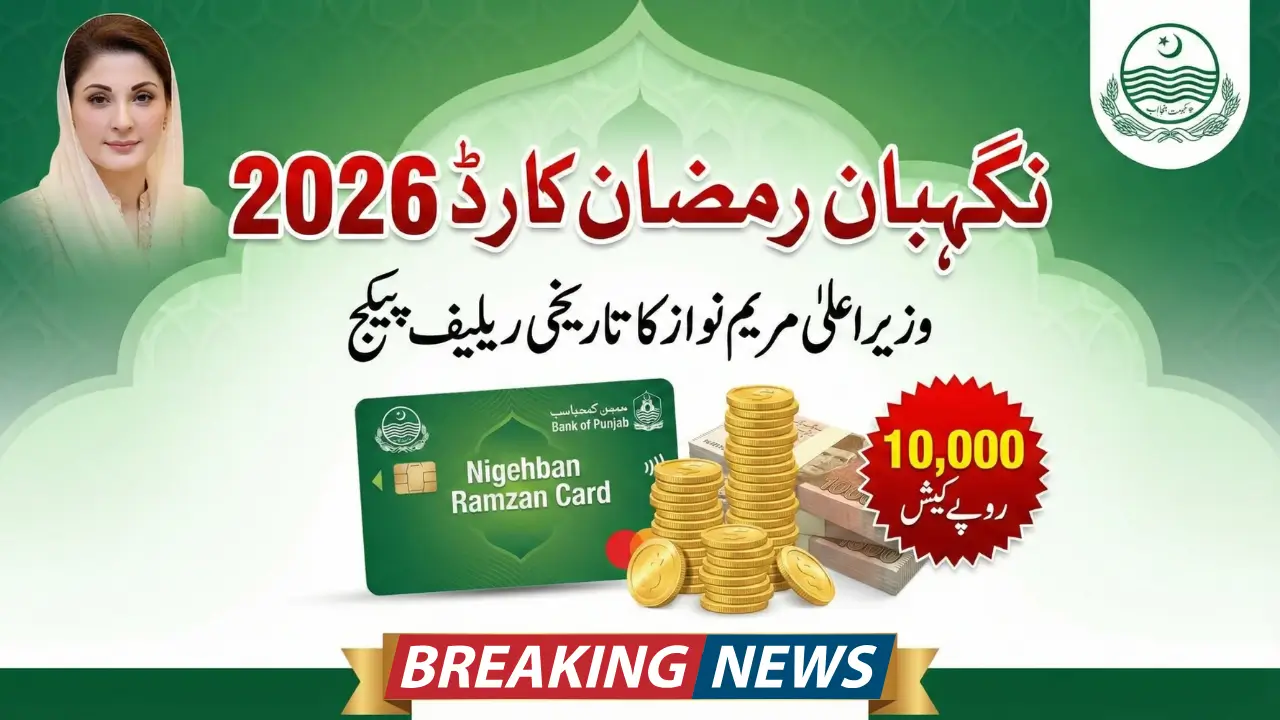
The Punjab Government has introduced the Ramadan Nigehban Package Card 2026 to provide meaningful financial relief to low-income families before the start of Ramadan. Rising inflation has made it difficult for many households to manage daily expenses, especially food and utilities. This program is designed to reduce that burden through direct cash assistance. Unlike previous…
Continue Reading Ramadan Nigehban Package Card 2026 Check Basic Eligibility Criteria
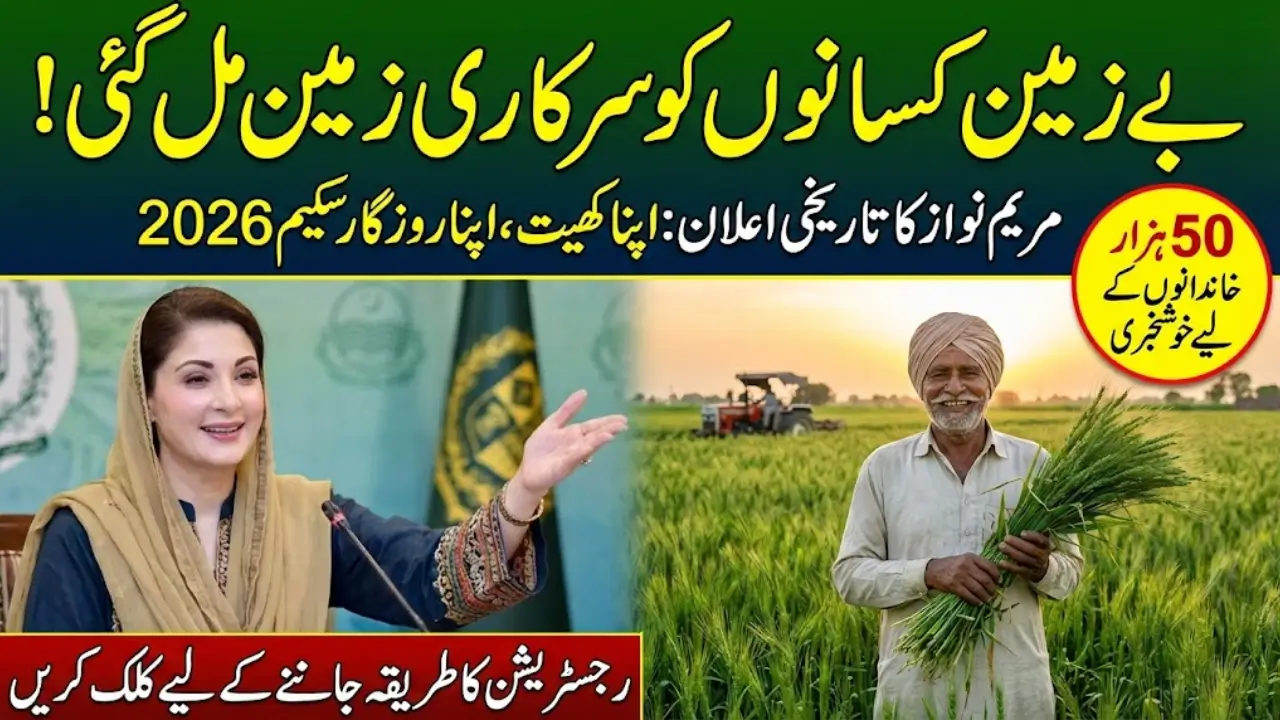
The Apna Khet Apna Rozgar Scheme 2026 is a historic step taken by the Punjab Government to address rural poverty, unemployment, and landlessness. Approved in January 2026 under the leadership of Chief Minister Maryam Nawaz Sharif, this initiative focuses on giving landless farmers and rural youth a real opportunity to become self-reliant. Instead of short-term…

The Parwaz Card Punjab Portal has officially opened for online applications in 2026, creating a major opportunity for unemployed youth and financially struggling individuals across Punjab. This initiative allows applicants to register digitally through the official Punjab Skills Development Fund (PSDF) website, eliminating the need for physical visits and lengthy paperwork. With unemployment rising and…
Continue Reading Parwaz Card Punjab Portal Step-by-Step Application Process

The Parwaaz Card 3 Lakh Interest-Free Loan for Overseas Employment is a transformative initiative introduced by the Punjab Government to remove financial barriers faced by skilled youth. Many talented individuals possess technical skills but fail to secure jobs—especially abroad due to high upfront costs such as visas, travel, and certification fees. Parwaaz Card directly addresses…
Continue Reading Benefits of Parwaz Card 3 Lakh Interest-Free Loan for Overseas Employment

The Ramzan Package 2026 is a special relief initiative launched to support low-income families during the holy month of Ramzan. With rising inflation and increasing household expenses, many families struggle to meet basic food and utility needs. This package aims to reduce that burden by providing direct financial assistance. Under this program, eligible families receive…
Continue Reading Ramzan Package 2026 Online Apply For 10000 Qist Check New Details
Quick Takeaways:
- Petrol price remains unchanged.
- Diesel increased by Rs. 2.78 per liter.
- Kerosene and Light Diesel Oil remain stable.
Why Are Fuel Prices Rising?
Pakistan’s domestic fuel rates are directly linked to global oil trends and currency movements. The current hike comes at a time when international crude oil prices are climbing, and the rupee continues to weaken against the US dollar.
Officials say these adjustments are part of the fortnightly review carried out under OGRA’s pricing mechanism.
Main factors driving the hike:
- Rising crude oil prices in global markets.
- Depreciation of the Pakistani rupee against the dollar.
- Fortnightly adjustment policy and taxation.
Impact on Transport and Agriculture
The increase in diesel prices is expected to hit the transport sector first. Buses, trucks, and goods carriers will likely increase fares, which directly affects commuters and the cost of logistics.
In agriculture, higher diesel costs will raise the price of operating tractors, tube wells, and harvesters, leading to higher production costs for crops.
Key impacts:
- Increased fares for public and goods transport.
- Higher operational cost of farm machinery.
- Rising expenses in logistics and supply chains.
Inflationary Pressure on the Public
Even though petrol users avoided an increase this time, the diesel hike will indirectly affect all citizens. Since diesel is essential for goods transportation, prices of daily essentials such as vegetables, fruits, and grains are expected to rise.
This will further add to inflation, putting additional strain on households already coping with expensive utilities and food items.
Sectors under stress:
- Food supply chains.
- Wholesale and retail markets.
- Middle-income and low-income households.
Who Will Be Affected the Most?
While the hike impacts all consumers, certain groups will face greater difficulties. Transporters and truck drivers will pay more for operations, farmers will see higher input costs, and small businesses may have to raise prices to survive.
Low-income families, already struggling with high inflation, will feel the heaviest burden.
Most affected groups:
- Public transport operators and goods carriers.
- Farmers and agricultural workers.
- Small businesses dependent on deliveries.
- Households with limited income.
Government and Industry Response
According to officials, the increase was unavoidable given global oil market conditions. No subsidy or relief package has been announced so far.
Transport associations and farmer groups have expressed concern, warning that higher costs may not be sustainable without government support.
Likely next steps:
- Close monitoring of global crude oil prices.
- Possible adjustments in the next fortnightly review.
- Consideration of relief measures if inflation continues to rise.
How Consumers Can Manage Costs
While consumers cannot control global markets, they can take steps to reduce the burden on their budgets. Planning ahead and making small adjustments can help minimize the impact.
Practical tips:
- Reduce unnecessary travel.
- Use public transport or carpool.
- Keep vehicles properly maintained for better fuel efficiency.
- Combine multiple errands in one trip.
- Adjust monthly budgets for rising essential costs.
What’s Next?
Fuel prices in Pakistan are revised every 15 days. The next announcement is expected at the end of September 2025.
Analysts warn that if international oil prices stay high and the rupee remains weak, further increases may follow. Citizens are advised to stay updated with official notifications.
Watchpoints for the coming weeks:

- Global crude oil market movement.
- Exchange rate stability (PKR vs. USD).
- Government’s next fortnightly review.
Conclusion
Pakistan’s latest fuel price revision has added another challenge for citizens. While petrol remains unchanged, the rise in High-Speed Diesel will increase transport fares, raise agricultural costs, and push food prices higher.
The coming weeks will be crucial as global oil and currency trends continue to influence Pakistan’s fuel pricing, with more adjustments likely ahead.