

Punjab is stepping into a tougher phase of traffic law enforcement. Authorities have officially announced decisive action against vehicle owners who continue to ignore unpaid e-challans. This move signals a clear shift from leniency to strict accountability, aiming to restore discipline on the roads.
For a long time, traffic fines were treated casually by many drivers. Tickets were issued, reminders were sent, but payments were often delayed or completely ignored. Now, with mounting unpaid fines and growing safety concerns, the government has decided it’s time to act firmly.

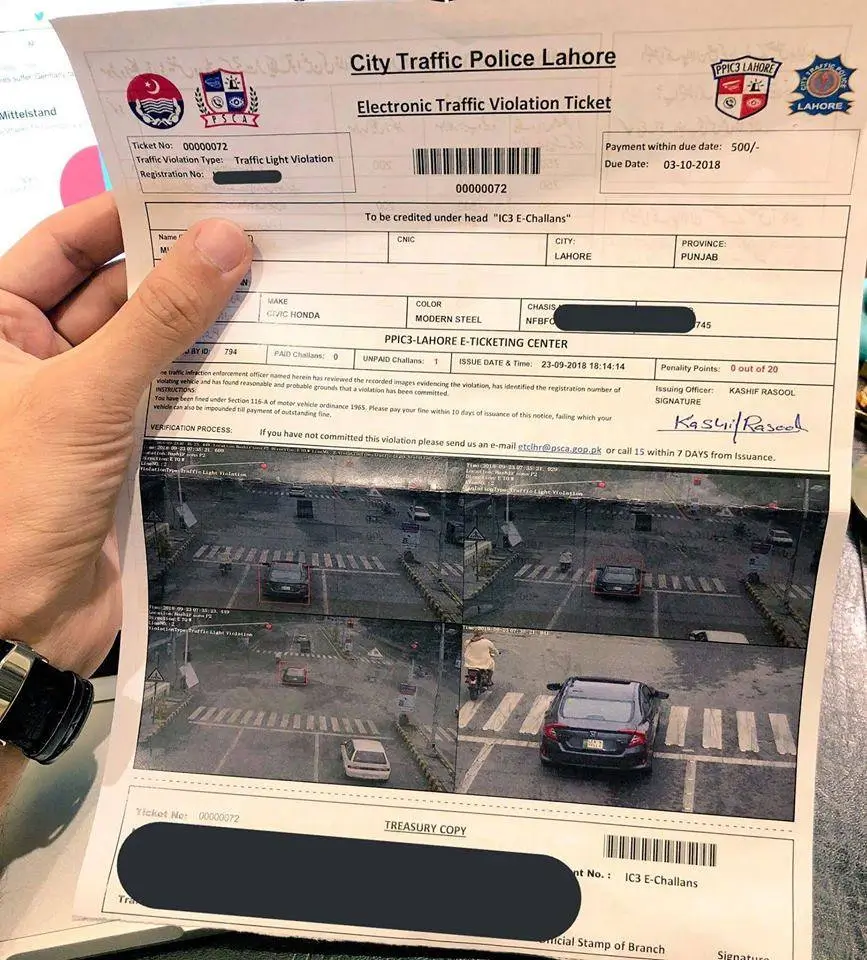
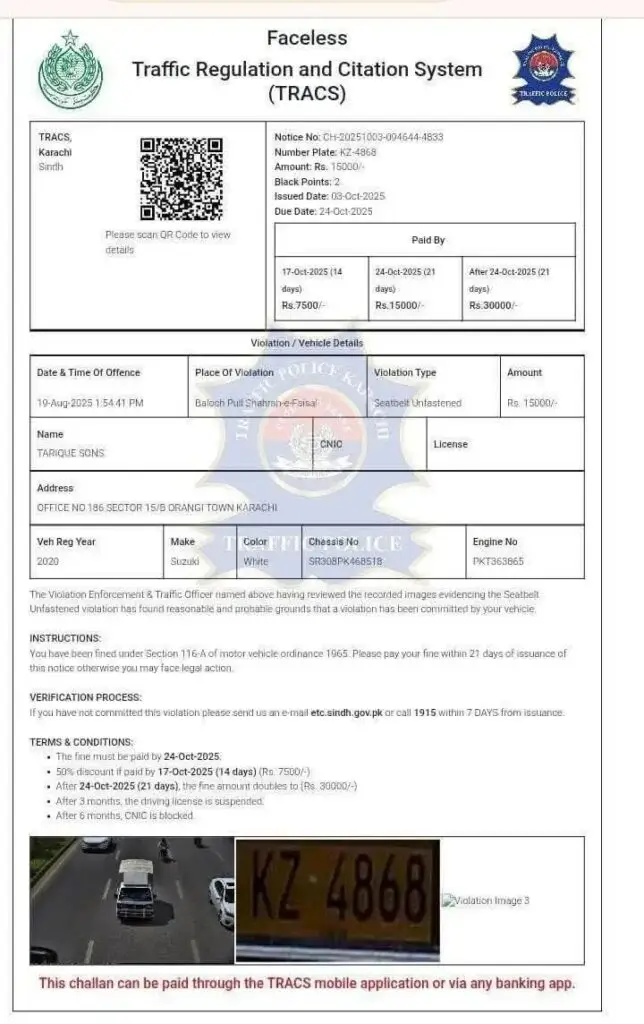
Why e-Challans Matter for Road Discipline
e-Challans are not just digital receipts for fines. They are a tool to:
- Encourage responsible driving behavior
- Reduce traffic violations through accountability
- Create a transparent record of road offenses
- Improve overall public safety
When fines go unpaid, the system loses its effectiveness. That is exactly what authorities are trying to fix now.

Rising Concerns Over Unpaid Traffic Fines
According to official assessments, hundreds of thousands of vehicles across Punjab have pending e-challans. Despite repeated fines issued through automated systems, compliance remained low. This growing gap between enforcement and payment raised red flags within law enforcement circles.
Role of the Punjab Safe City Authority
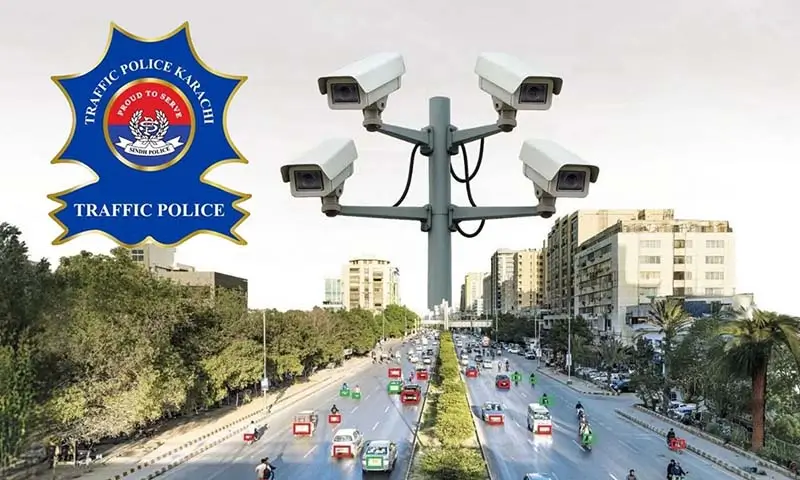
The Safe City Authority sits at the heart of this enforcement drive. It uses advanced surveillance and data systems to monitor traffic behavior across major cities and highways in Punjab.

Camera-Based Monitoring System
- Major intersections
- Busy roads
- Entry and exit points of cities
High-definition cameras installed at:
These cameras continuously capture traffic violations such as:
- Over-speeding
- Signal jumping
- Lane violations
- Helmet and seatbelt non-compliance
Each violation is automatically logged and converted into an e-challan.
You can also read: E Challan Check Online via CNIC – Know Full Guide Step by Step 2025
Data Collection and Vehicle Tracking
Once a violation is recorded:
- Vehicle registration details are retrieved
- Owner information is verified
- The challan is issued digitally
This centralized database allows authorities to track repeat offenders without manual intervention.
How Technology Identifies Repeat Violators
Technology plays a silent but powerful role by:
- Flagging vehicles with multiple unpaid challans
- Generating lists of high-risk defaulters
- Sharing verified data with local police units
This automated process leaves little room for error or excuses.
Scale of the e-Challan Default Problem
The numbers behind unpaid e-challans reveal why authorities felt compelled to act. The backlog has reached a level where ignoring it is no longer an option.
Number of Vehicles with Pending Fines
Official lists prepared by the Safe City Authority include:
- Private cars
- Commercial vehicles
- Motorcycles
A significant portion of these vehicles have accumulated multiple fines over time without making any payments.
Cars vs Motorcycles – A Comparison
Interestingly, motorcycles make up a large share of defaulters. Common reasons include:
- Lack of helmet use
- Signal violations
- Wrong-way driving
Cars, on the other hand, are often fined for speeding and illegal parking.
Government’s Decision to Take Strict Action
The government’s message is clear: unpaid e-challans will no longer be ignored.
Policy Shift from Warnings to Enforcement
Earlier approaches focused on:
- Issuing reminders
- Encouraging voluntary compliance
Now, the focus has shifted to:
- Physical enforcement
- Legal consequences
- Direct police involvement
Legal Backing for Arrests and Raids
Authorities have confirmed that:
- Police raids will be conducted
- Persistent defaulters may face arrest
- Payment of dues will be enforced on the spot
This gives law enforcement legal strength to act decisively.
You can also read: E-Challan System in Karachi 2025 Check Benefits and Expected Outcomes
Police Raids and Arrest Strategy Explained
Local police stations have been directed to prepare for targeted operations against defaulters.
How Local Police Will Conduct Operations
Police actions may include:
- Visiting registered addresses of vehicle owners
- Stopping vehicles flagged in the system
- Verifying identity and outstanding fines
Defaulters will be required to clear dues immediately.
Coordination Between Safe City Authority and Police
The operation relies heavily on coordination:
- Safe City Authority provides verified lists
- Police execute ground-level action
- Continuous updates ensure accuracy
This teamwork ensures smooth implementation.
Timeline of the Upcoming Crackdown
The operation is expected to begin within days, leaving little time for defaulters to delay further.
When the Operation Will Begin
Authorities have indicated:
- Final lists are already prepared
- Police units have been briefed
- Field operations will start soon
What Defaulters Should Expect
Vehicle owners with unpaid e-challans should be ready for:
- Unexpected police visits
- Roadside checks
- Mandatory payment demands
Step-by-Step Process After Identification
The enforcement process follows a structured path.
Notification to Police Stations
Once a defaulter is identified:
- Details are forwarded to the relevant police station
- Jurisdiction is determined based on address
Field Action Against Defaulters
Police then:
- Conduct raids or vehicle stops
- Verify pending fines
- Ensure challans are paid
Payment of e-Challans – What Vehicle Owners Need to Know
Paying e-challans is straightforward if done on time.
How to Check Pending e-Challans
Vehicle owners can:
- Use official online portals
- Enter vehicle registration numbers
- View complete violation history
Available Payment Methods
Common payment options include:
- Online banking
- Mobile wallets
- Authorized payment centers
Clearing dues early can prevent legal trouble.
Impact on Traffic Discipline in Punjab
This crackdown is expected to bring noticeable change.
Expected Improvement in Road Safety
With stricter enforcement:
- Drivers may follow rules more carefully
- Traffic violations may decrease
- Accident risks could reduce
Long-Term Benefits for Citizens
In the long run, citizens may experience:
- Safer roads
- Better traffic flow
- Increased respect for law
Comparison with Previous Traffic Enforcement Drives
This operation is different from earlier campaigns.
What Was Different Before
Earlier drives often lacked:
- Strong follow-up
- Legal consequences
- Consistent enforcement
Why This Drive Is More Serious
This time:
- Arrests are involved
- Technology is fully integrated
- No repeated warnings are promised
Public Reaction to the New Measures
Public opinion is divided but largely supportive.
Support from Law-Abiding Citizens
Many citizens believe:
- Defaulters create unfair advantage
- Strict action is long overdue
- Equal enforcement builds trust
Concerns Raised by Vehicle Owners
Some concerns include:
- Short notice period
- Financial burden
- Need for better awareness
Challenges Authorities May Face
No enforcement drive is without hurdles.
Implementation Issues
Possible challenges:
- Locating correct addresses
- Handling large volumes of cases
- Managing public resistance
Public Awareness Gaps
Some drivers:
- Are unaware of pending challans
- Don’t know payment methods
- Underestimate legal consequences
Overview of e-Challan Enforcement Framework
| Component | Responsible Authority | Purpose |
|---|---|---|
| Surveillance Cameras | Safe City Authority | Detect violations |
| Data Management | Safe City Authority | Track defaulters |
| Enforcement | Local Police | Raids and arrests |
| Payment Recovery | Traffic Police | Fine collection |
How This Crackdown May Shape Future Traffic Policies
This operation could set a precedent.
Stronger Digital Enforcement
Future policies may include:
- Automatic license suspension
- Linking fines to vehicle registration
- Real-time penalty updates
Integration with Vehicle Registration Systems
Non-payment could impact:
- Vehicle transfer
- Annual inspections
- Insurance renewals
You can also read: 30 Electric Buses to Operate on Seven Routes in Faisalabad By Maryam Nawaz
What Happens If Defaulters Still Don’t Pay
Ignoring this drive can be costly.
Legal Consequences
Possible outcomes include:
- Arrest
- Court proceedings
- Additional penalties
Financial and Social Impacts
Defaulters may face:
- Increased fines
- Legal expenses
- Public inconvenience
Conclusion
Punjab’s decision to take decisive action against e-challan defaulters marks a turning point in traffic enforcement. With technology, police coordination, and legal backing working together, authorities are sending a strong message that traffic laws are not optional. For vehicle owners, the solution is simple: check your e-challans, pay what’s due, and drive responsibly. Compliance today can save trouble tomorrow.
Frequently Asked Questions (FAQs)
1. Can I be arrested for unpaid e-challans?
Yes, under the new crackdown, persistent defaulters may face arrest.
2. How do I know if I have pending e-challans?
You can check through official online portals using your vehicle number.
3. Are motorcycles included in this operation?
Yes, both motorcycles and cars are part of the enforcement drive.


4. Will police stop vehicles on the road for unpaid challans?
Yes, roadside checks are part of the planned operations.
5. Can paying now prevent legal action?
Clearing all pending dues promptly can help avoid raids and arrests.