
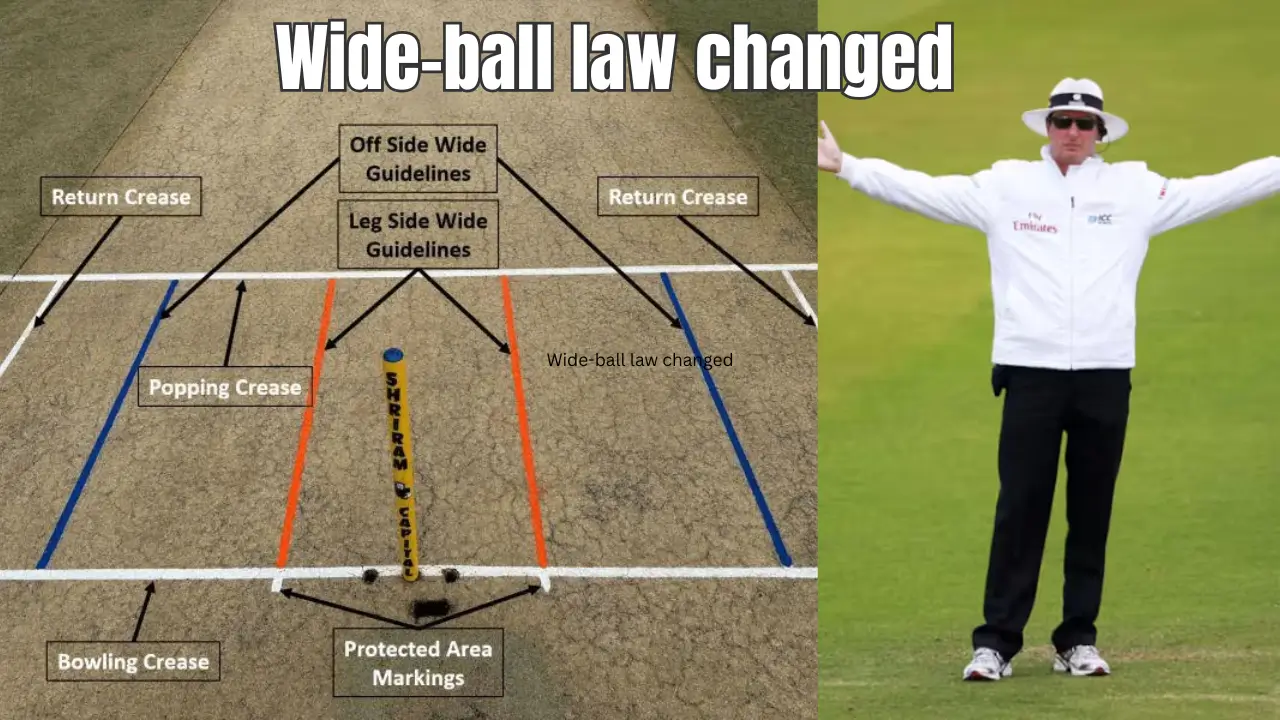
The International Cricket Council (ICC) has initiated a groundbreaking experiment in white-ball cricket by adding new colored lines near the wide lines on the pitch. These extra crease lines—blue in the case of Australia vs India, and yellow in Bangladesh vs West Indies mark the first major visual change to the cricket pitch in years. The goal is to ensure fairer wide-ball calls and create a more balanced contest between bat and ball.
انٹرنیشنل کرکٹ کونسل (آئی سی سی) نے سفید گیند کی کرکٹ میں پچ پر چوڑی لائنوں کے قریب نئی رنگین لکیریں شامل کرکے ایک اہم تجربہ شروع کیا ہے۔ یہ اضافی کریز لائنیں—آسٹریلیا بمقابلہ ہندوستان کے معاملے میں نیلی، اور بنگلہ دیش بمقابلہ ویسٹ انڈیز میں پیلی—سالوں میں کرکٹ کی پچ میں پہلی بڑی بصری تبدیلی کی نشاندہی کرتی ہے۔ مقصد یہ ہے کہ وسیع وائیڈ بال کالز کو یقینی بنایا جائے اور بلے اور گیند کے درمیان زیادہ متوازن مقابلہ پیدا کیا جائے۔

The Reason Behind the Change
For years, bowlers have faced challenges with wide-ball rules that heavily favored batters. Under the old law, any delivery passing outside the leg stump was automatically called wide, regardless of the batsman’s stance or movement. This allowed clever batters to shuffle across or away from the crease, forcing bowlers to adjust unnaturally and limiting their tactical freedom.
You can also read: UAE Visa Temporary Ban for Pakistani Citizens Why? Find out the Details

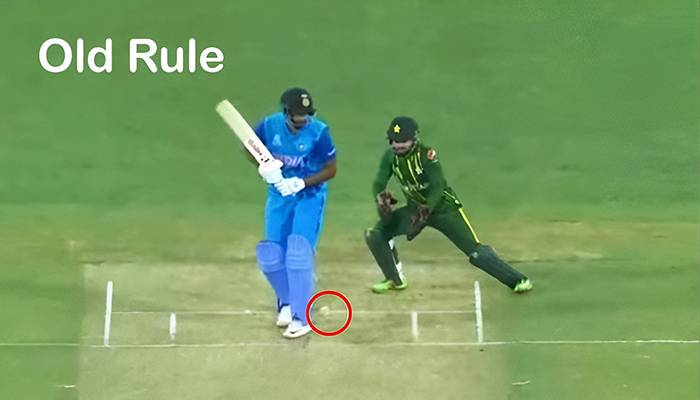
The ICC’s new trial aims to address this imbalance. By adding visual leg-side guidelines for both right- and left-handed batters, umpires can now make wide-ball decisions with more accuracy and fairness.
How the New Extra Lines Work
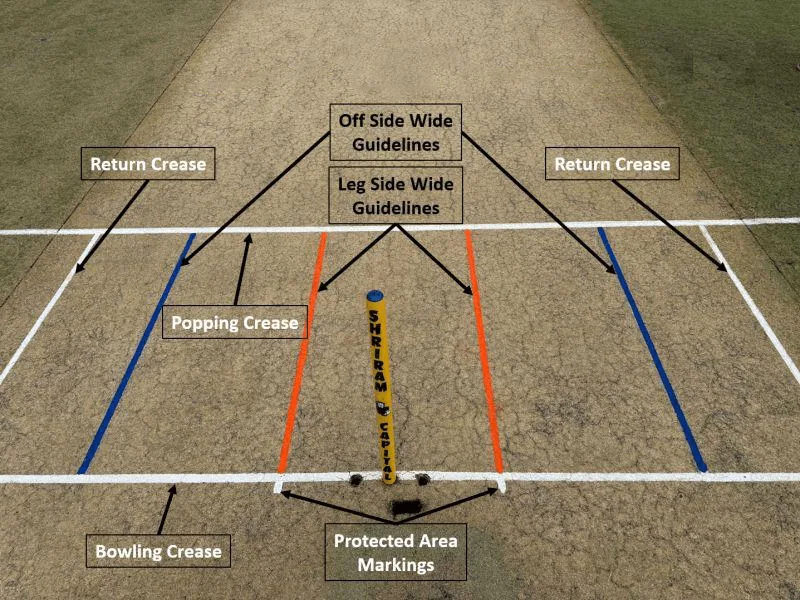
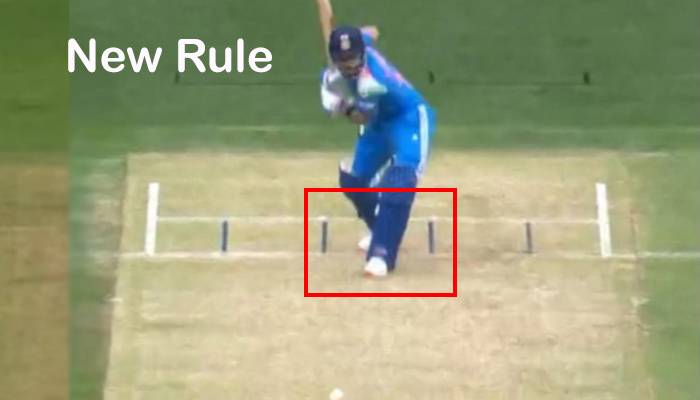
Under the experimental rule, two new lines are drawn parallel to the leg stump on both sides of the pitch. These lines serve as reference points for determining whether a ball is wide.

- If the ball passes inside these new lines, it will not be considered a wide.
- If the ball passes outside these lines, it will be called a wide.
- The lines adjust for both stances, with separate markings for right-handed and left-handed batsmen to ensure consistency.
This visual clarity allows both players and umpires to know exactly how much margin bowlers have on the leg side. It effectively redefines the playable zone for leg-side deliveries.
Comparison Between Old and New Wide Rules
| Aspect | Old Wide Law | New Experimental Law |
|---|---|---|
| Judgment Line | Based on leg stump only | Based on additional colored lines |
| Umpire Reference | Invisible, subjective | Visible, objective boundary lines |
| Bowler’s Advantage | Limited; risk of wides on leg side | Increased; clearer target area |
| Batter’s Benefit | Could manipulate stance | Reduced ability to exploit line |
| Implementation | Permanent | On six-month trial |
| This structured change not only simplifies umpiring decisions but also helps spectators understand wide calls better during live broadcasts. |
Benefits of the New System
The ICC’s initiative comes with multiple practical advantages that could redefine how the game is played in ODIs and T20s.
For Bowlers:
- Reduced pressure when bowling near the leg stump
- More strategic freedom to vary line and angle
- Less risk of conceding extra runs due to wides
For Batters: - Clearer visibility of the leg-side boundary
- Better understanding of which deliveries are deemed legal
- Encourages more precise shot selection
For Umpires and Fans: - Consistent and transparent wide-ball judgments
- Easier visual guidance during decision-making and broadcasts
- Enhanced understanding of on-field rules for spectators
You can also read: Private Hajj Scheme 2026 Good News for Pakistani Pilgrims
Impact on Gameplay and Strategy
This law could significantly impact how captains and bowlers plan their leg-side fields. Spinners and swing bowlers, who often flirt with the leg line to induce mistakes, now have more room to maneuver. At the same time, batters will need to rethink movement tactics that previously drew wides in their favor.
یہ قانون نمایاں طور پر متاثر کر سکتا ہے کہ کپتان اور گیند باز اپنے لیگ سائیڈ فیلڈز کی منصوبہ بندی کیسے کرتے ہیں۔ اسپنرز اور سوئنگ باؤلرز، جو اکثر غلطیوں کو دلانے کے لیے ٹانگ لائن کے ساتھ چھیڑ چھاڑ کرتے ہیں، اب ان کے پاس پینتریبازی کرنے کی مزید گنجائش ہے۔ ایک ہی وقت میں، بلے بازوں کو تحریک کی حکمت عملیوں پر نظر ثانی کرنے کی ضرورت ہوگی جو پہلے ان کے حق میں وسیع ہو گئے تھے۔
The trial also promotes fairness by removing subjective interpretation. Instead of relying solely on umpire perception, decisions are now guided by measurable lines visible to everyone.
Six-Month Trial and Possible Global Implementation
According to ICC officials, this change will be tested across various white-ball series over the next six months. Data collected during this period such as the number of wide calls, player reactions, and match outcomes will determine if the rule becomes a permanent fixture.
If successful, the ICC plans to introduce it globally across all ODIs and T20 internationals, and potentially in franchise tournaments such as the IPL and Big Bash League.


| Trial Phase Duration | Six Months (ODIs & T20s) |
|---|---|
| Key Evaluation Metrics | Accuracy, Player Feedback, Fairness |
| Possible Full Implementation | Mid-2026 (subject to approval) |
Conclusion
The introduction of extra crease lines marks one of the most significant modern innovations in cricket law. By improving fairness, consistency, and visual clarity, the ICC is moving towards a more balanced game where both bowlers and batters have an equal say.
If this trial proves effective, these new lines might soon become a permanent part of every white-ball pitch, reshaping how wides are judged and how strategies are designed for the years to come.