BISP Cash Transfers & IPV 2025
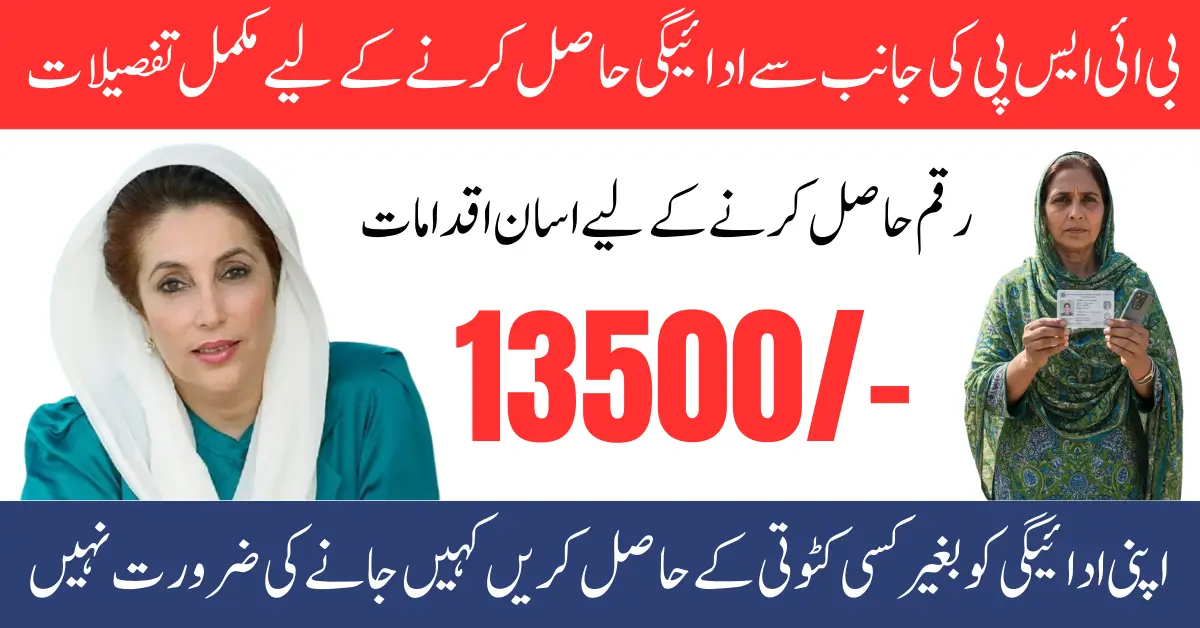
BISP Cash Transfers & IPV 2025 has become one of the most important social protection initiatives in Pakistan. Millions of families rely on this support to meet their basic needs such as food, education, and healthcare. What makes the programme unique is that the cash transfers are provided directly to women, giving them greater control over family decisions. For many women, this support is not just financial relief—it is dignity, empowerment, and a tool to reduce household stress.
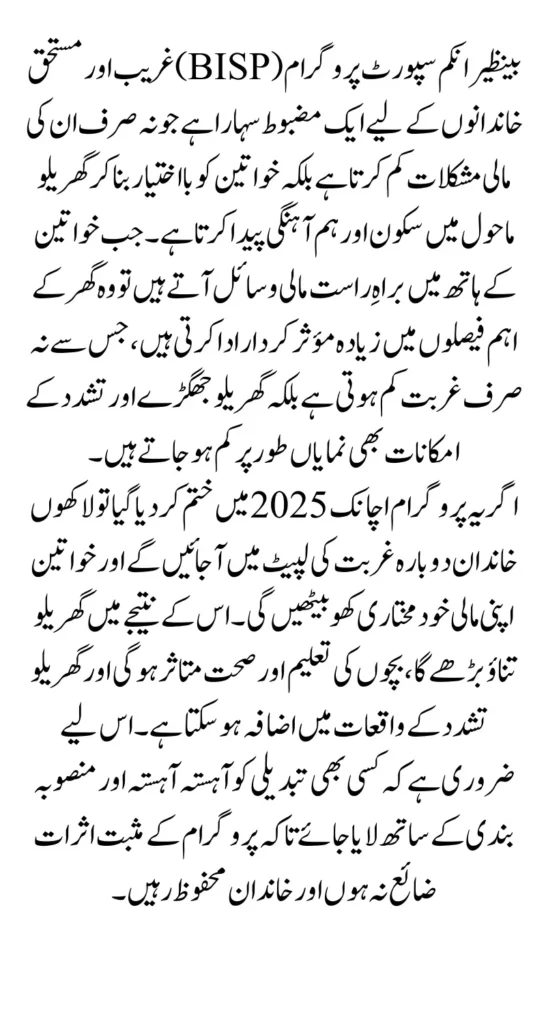
In 2025, experts have raised serious concerns about the potential discontinuation of BISP. An abrupt stoppage of cash transfers could create a ripple effect across households, leading to poverty, financial instability, and social tension. Families that rely heavily on these payments may experience increased stress, while women may lose the influence they have gained over the years. This is not just a financial issue—it is about family harmony, safety, and the risk of intimate partner violence (IPV).
You Can Also Read: Silver Rates in Pakistan
Quick Facts About BISP in 2025
Before understanding the deeper impact, it is important to look at some quick facts about BISP and why it matters:
- Supports over 9 million families across Pakistan.
- Payments are made directly to women beneficiaries.
- Covers food, healthcare, and education expenses for vulnerable families.
- Plays a key role in reducing poverty and household stress.
How Cash Transfers Reduce IPV
Cash transfers like BISP help in reducing intimate partner violence (IPV) by addressing the root causes of household stress. When basic needs such as food and health are covered, families have fewer reasons to argue over financial shortages. Women who receive cash directly feel more empowered, and this shift in decision-making power often leads to more respectful and balanced relationships.
Studies show that when women control resources, they are more likely to prioritize household welfare, ensuring children go to school and family members receive medical care. This improves the overall quality of life and reduces conflicts within the household. Empowered women also face less dependency on male members, which lowers the chances of violence and disputes caused by financial pressures.
You Can Also Read: Punjab CM Maryam Nawaz Announces Flood Relief Aid
Key Ways BISP Reduces IPV:
- Lowers stress by covering essential expenses.
- Strengthens women’s role in family decisions.
- Reduces dependency on male income.
- Improves nutrition, education, and health outcomes.
Global Evidence from Similar Programs
The positive effects of cash transfers are not limited to Pakistan. Across the world, similar programmes have shown encouraging results. In Bangladesh and Indonesia, cash aid improved food security and strengthened women’s control over household spending. Families that received these transfers reported fewer disputes and greater peace at home.
In Latin American countries, conditional cash transfer programmes were linked to better school attendance for children and a noticeable reduction in domestic conflicts. African research highlights that transfers given directly to women bring greater improvements compared to transfers given to men. This is because women are more likely to use money for the family’s benefit rather than individual consumption.
You Can Also Read: BISP 8171 Update September 2025 Why 9.2 Lakh
Global Lessons:
- Cash transfers improve family well-being and reduce disputes.
- Women-focused transfers are more effective in reducing IPV.
- Conditional transfers promote long-term benefits like education.
What Happens If Payments Stop Suddenly in 2025?
The sudden stoppage of BISP in 2025 could lead to major setbacks for vulnerable families. The most immediate impact would be financial insecurity, as households lose the support they depend on for food and essential needs. Women would also lose their authority in managing finances, which could lead to a return of dependency on male members and reduced empowerment.
Household stress would increase as families struggle to balance rising expenses with limited income. This stress often turns into disputes, which increases the risk of IPV. In such scenarios, children also suffer the most because their education and nutrition become secondary to survival needs.
Possible Impacts of Sudden Stoppage:
- Families return quickly to poverty.
- Women lose financial independence.
- Household conflicts and IPV risks rise.
- Children’s health and education are compromised.
You Can Also Read: CM Punjab Laptop Scheme Phase 2
Who Suffers the Most?
Not every family will experience the same level of impact if BISP payments stop, but the poorest and most vulnerable groups are at the highest risk. Female-headed households with no alternative income sources are likely to face immediate hardship. Families living in rural areas, where job opportunities are scarce, will also struggle more than those in urban settings.
Those already burdened with debt or financial loans would find it nearly impossible to recover without cash assistance. Families where women’s income plays the central role in survival would also face setbacks, as the balance of power within the household shifts back, reducing women’s influence and security.
Hidden Risks from Stopping BISP
The risks of discontinuing BISP go beyond poverty and hunger. If the programme stops suddenly, social risks may increase within families and communities. Men may feel frustration if women lose their financial independence, leading to backlash. To cope with financial pressure, some families may resort to child labor or early marriages for daughters.
There is also a broader social impact, as the sudden loss of government support can erode trust in institutions. Communities that once relied on cash transfers may feel neglected, which could increase social dissatisfaction and unrest.
You Can Also Read: Punjab E-Taxi Scheme 2025 Details Documents
Risk, Early Signs & Immediate Solutions
To better understand the consequences of stopping BISP, the following table highlights some risks, early warning signs, and possible solutions:
| Risk if BISP Stops | Early Warning Signs | Immediate Mitigation |
|---|---|---|
| Food insecurity | Families skipping meals | Provide emergency food vouchers |
| Women lose empowerment | Decline in decision-making power | Offer financial literacy support |
| Rise in household disputes | Increased IPV hotline reports | Community mediation and counseling |
Safe Exit & Mitigation Strategies
If BISP must be reduced or redesigned, it should be done gradually, not abruptly. A sudden cut-off would undo years of progress, but a phased approach could give families time to adapt. Introducing financial literacy and savings options will prepare beneficiaries for life without direct transfers.
At the same time, linking families with vocational training and job opportunities would create a pathway for sustainable income. Combining financial aid with counseling and community support can also prevent IPV during the transition. Policymakers must ensure that emergency support is available for the poorest households to prevent them from falling into extreme poverty.
Recommended Strategies:
- Gradual reduction instead of sudden stoppage.
- Savings and financial education for beneficiaries.
- Skill development and vocational training.
- Community counseling to prevent IPV.
- Emergency support for the most vulnerable families.
Conclusion
The Benazir Income Support Programme is not just a welfare policy—it is a social safety net that protects millions of families from poverty, stress, and violence. By empowering women and ensuring basic needs are met, BISP has created stability in households and reduced risks of IPV.
Ending the programme suddenly in 2025 would undo these achievements and create new challenges, including poverty, disputes, and violence. To safeguard progress, policymakers must consider gradual exit strategies, financial education, and community support systems. Only then can Pakistan protect women’s empowerment and ensure that vulnerable families do not fall back into hardship.
You Can Also Read: BISP 8171 Payment Discreetly Easy Ways
FAQs
Q1: Why do BISP cash transfers reduce IPV?
They give women financial control, reduce stress, and promote family harmony.
Q2: What happens if payments stop suddenly?
Families return to poverty and IPV risks rise due to household stress.
Q3: Who suffers the most from a stoppage?
Poor, rural, and female-headed households face the hardest challenges.
Q4: How can risks be reduced if BISP ends?
Through gradual phase-out, savings, vocational training, and counseling.
Q5: Is there global proof of these effects?
Yes, global evidence shows that cash transfers reduce poverty and IPV when given directly to women