
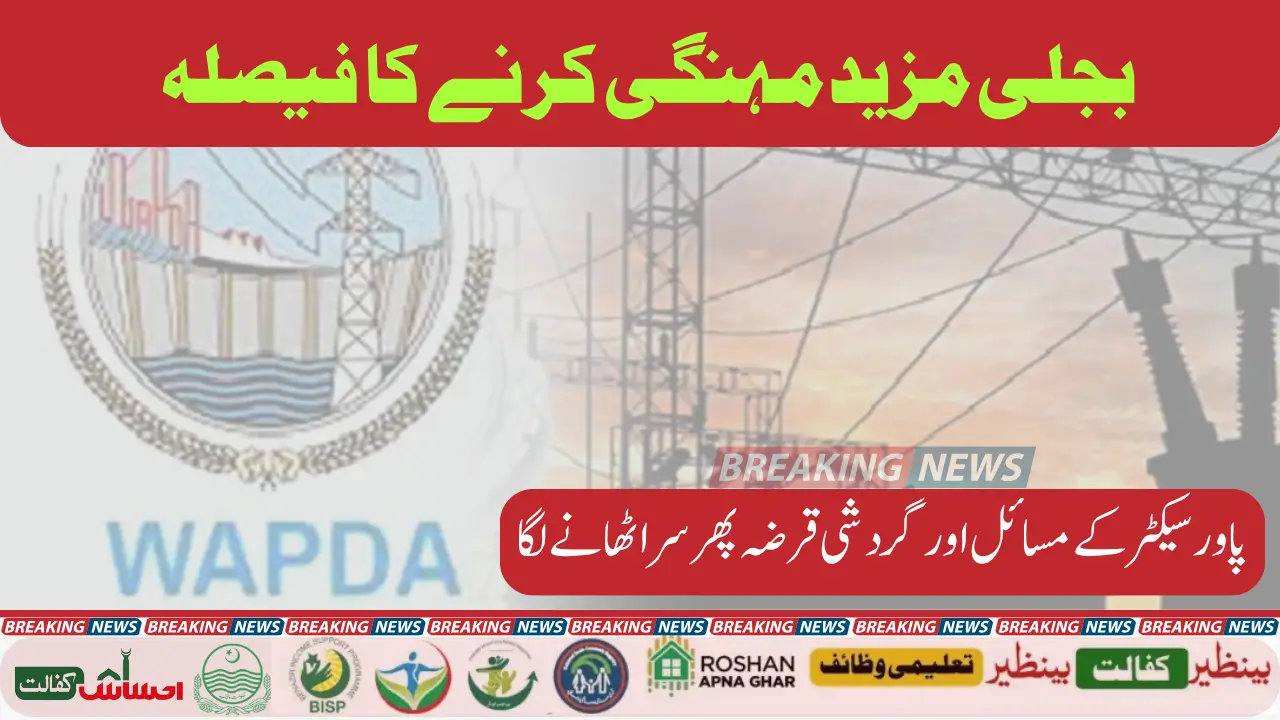
Electricity consumers across Pakistan may soon face another financial strain, as the government considers increasing power tariffs by 45 paisa per unit for a three-month period. The proposed hike comes under the first quarterly adjustment mechanism, following an application submitted by Distribution Companies (DISCOs) and K-Electric to the National Electric Power Regulatory Authority (NEPRA).
پاکستان میں بجلی کے نرخوں میں تین ماہ کے لیے پینتالیس پیسے فی یونٹ اضافے کا امکان ظاہر کیا گیا ہے۔ نیشنل الیکٹرک پاور ریگولیٹری اتھارٹی نے تقسیم کار کمپنیوں اور کے الیکٹرک کی درخواست پر پہلی سہ ماہی ایڈجسٹمنٹ کے حوالے سے سماعت مکمل کر لی ہے۔ وفاقی حکومت نے اس اضافے کی سفارش مالی دباؤ کے باعث کی ہے، جبکہ تقسیم کار کمپنیوں نے آٹھ ارب اکتالیس کروڑ روپے کی مزید ادائیگی کا مطالبہ کیا ہے۔ سماعت کے دوران صارفین نے اعتراضات اٹھاتے ہوئے کہا کہ حال ہی میں وزیراعظم نے تین ماہ کے لیے بجلی سات روپے اکتالیس پیسے فی یونٹ سستی کی تھی، اس کے باوجود اضافہ سمجھ سے بالاتر ہے۔
During a recent NEPRA hearing chaired by Waseem Mukhtar, the authority reviewed requests from both public and private power distributors, citing financial pressures and sectoral inefficiencies as key reasons for the adjustment. While the federal government has sought a uniform increase, DISCOs have additionally demanded Rs 8.41 billion in compensation for various operational losses. Electricity becomes 45 paisa per Unit more Expensive for Three Months
Reasons Behind the Proposed Tariff Increase
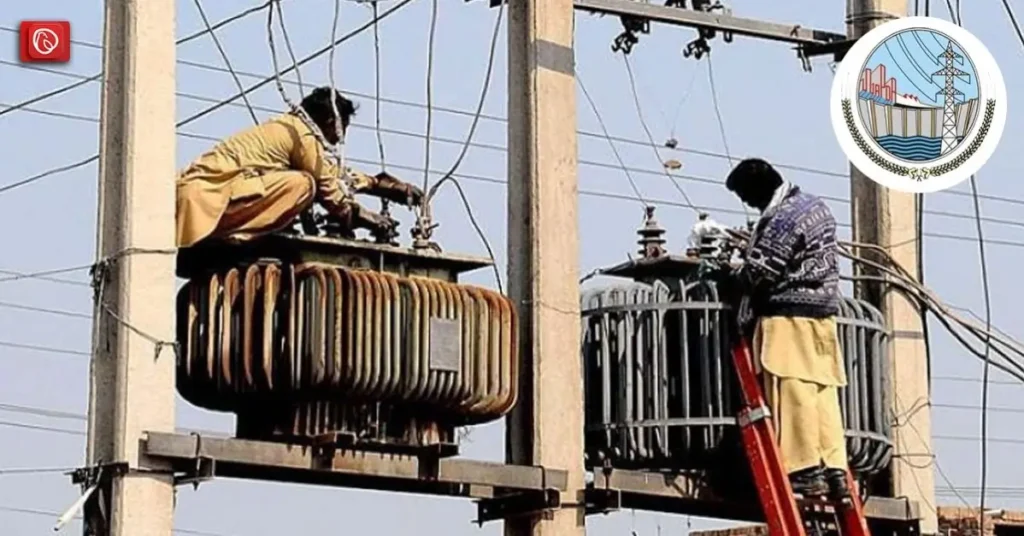
The Power Division representatives explained that the financial burden on the sector has grown due to technical losses, theft, and lower revenue recovery. Pakistan’s power distribution network continues to struggle with inefficiencies that directly affect the cost per unit of electricity.
Several contributing factors include:
- Increased cost of energy purchase from generation companies.
- Revenue shortfall due to non-recovery from defaulters.
- Rising interest payments on loans taken to cover circular debt.
- Additional subsidies and relief packages for industrial and agricultural users.
According to officials, these challenges have created an imbalance that necessitates short-term adjustments to stabilize the sector’s financial position.

Consumer Concerns and Public Reactions
Consumers have expressed strong opposition to the proposed hike, pointing out that the Prime Minister had recently reduced power tariffs by Rs 7.41 per unit for three months. The potential reversal through this adjustment, they argue, undermines the relief previously granted.
During the NEPRA hearing, several consumer representatives questioned why price adjustments are made so frequently, especially when the sector’s structural flaws remain unresolved. They also raised concerns that the circular debt, already exceeding record levels, continues to rise without long-term solutions in place.
Key Concerns Raised by Consumers:
- Lack of transparency in tariff adjustment mechanisms.
- Burden of inefficiency passed on to honest bill-payers.
- Unclear impact of industrial and agricultural relief packages.
- Continued accumulation of circular debt despite repeated reforms.
Impact on Industry and Economy
Industrial consumers have also voiced their frustration, emphasizing that industries are already paying a surcharge of Rs 3.23 per unit. The new proposal, they argue, will further reduce competitiveness and increase production costs at a time when exports are under pressure.
The addition of surcharges linked to bank loans and power subsidies could make it difficult for manufacturers to maintain margins, forcing some sectors to scale down operations or increase product prices.
Potential Impacts on Key Sectors:
| Sector | Expected Impact | Description |
|---|---|---|
| Industrial | High | Increased production costs and reduced competitiveness in exports. |
| Agricultural | Moderate | May offset benefits of new subsidy packages. |
| Domestic Consumers | Severe | Direct increase in monthly electricity bills. |
| Commercial | Moderate | Possible rise in service and retail costs. |
Structural Issues in the Power Sector
NEPRA Member Rafiq Sheikh highlighted that the persistent circular debt crisis cannot be resolved unless the existing structure of the power sector is fundamentally reformed. The system’s inefficiencies from generation to billing continue to create financial gaps that are ultimately filled through consumer tariffs.
The circular debt, which represents the cumulative unpaid obligations within the power supply chain, remains one of Pakistan’s most pressing fiscal challenges. Each year, the government injects billions to manage it, but without systemic reform, the problem re-emerges.
Key Structural Problems Identified:
- Poor governance and lack of accountability in DISCOs.
- Delayed tariff notifications and subsidy disbursements.
- Dependence on imported fuels for power generation.
- Weak enforcement against electricity theft and non-payment.
NEPRA’s Role and Next Steps
NEPRA has completed the hearing process and will now review the data provided by all stakeholders before making a final decision. Once the evaluation is complete, the regulatory authority will forward its recommendations to the federal government for approval.
You can also read: Gold Prices in Pakistan 2 November 2025 Record High at Rs. 403,600 per Tola
The final notification, expected in the coming weeks, will determine whether consumers face an increase in their bills starting from the next quarter. If approved, the 45 paisa per unit increase will be implemented for a limited period of three months under the quarterly adjustment formula.
Summary of Key Developments:


| Stage | Details |
|---|---|
| Proposal | 45 paisa per unit increase under quarterly adjustment. |
| Applicants | DISCOs and K-Electric. |
| Hearing Authority | NEPRA (Chairman: Waseem Mukhtar). |
| Additional Demands | Rs 8.41 billion requested by DISCOs. |
| Next Step | Decision to be reviewed and forwarded to the federal government. |
Conclusion
The proposed 45 paisa per unit hike reflects the persistent financial distress within Pakistan’s power sector. While short-term adjustments may provide temporary relief to distributors, experts believe that sustainable reforms including efficiency improvements, governance restructuring, and renewable energy integration—are essential for long-term stability.
Until then, consumers are likely to continue bearing the burden of inefficiencies through periodic tariff adjustments, highlighting the urgent need for structural transformation in the country’s energy landscape.